
Blog
The Pharma HCP Event Approval Checklist: From Request to Close-Out
A pharma HCP event approval checklist should cover event type, trusted HCP and product data, required fields, budget, routing, changes, evidence, and learning.

Key takeaways
- HCP event approvals need structured intake, not email-based reconstruction.
- Budget visibility should separate event-operating spend from speaker or HCP engagement spend.
- Close-out should confirm what happened, what changed, what was spent, and what evidence supports the record.
A pharma HCP event approval checklist should cover eight steps: event type, trusted HCP and product data, required fields, budget visibility, reviewer routing, change control, close-out evidence, and post-event learning.
HCP events can involve substantial budgets, multiple stakeholders, and decisions that need to stand up to scrutiny. Yet many teams still manage requests through email chains, spreadsheets, and disconnected documents.
This checklist gives commercial, medical, finance, and compliance teams one clear path—from the first event request to the final close-out.
Use it as a practical operating checklist for congress sponsorships, standalone meetings, hospital meetings, conferences, speaker activities, and related HCP engagements. In REVO, the same logic can be turned into structured request forms, routing rules, budget controls, evidence capture, change requests, and close-out workflows.
How should you structure an HCP event before the request starts?
Checklist
- Decide whether event types need separate approval paths.
- Keep one common operating language across all requests.
- Make the request path clear before people begin collecting documents.
Not every HCP engagement is the same. A congress sponsorship, conference, hospital meeting, and standalone meeting may all sit under "events," but they can involve different stakeholders, documents, costs, and decisions.
There are two sensible ways to structure this. You can use separate forms for separate event types, as REVO's pre-built approval starters do. This is useful when each activity has its own rules and approval logic.
Or, you can use one event request form and let the initiator select the event type from a controlled list. Some teams prefer this because it keeps operations simple: one familiar place to start, one consistent way to submit, and less training for the people doing the work.
The point is not to create the most forms. It is to make the process easy to follow while giving each type of event the control it deserves. Structure should make execution easier, not add another layer of admin.
What HCP, product, and ownership data should an event request capture?
Checklist
- Pull HCP and product data from the CRM wherever possible.
- Capture event data in real time instead of reconstructing it later.
- Keep HCP, HCO, brand, owner, and team records consistent across systems.
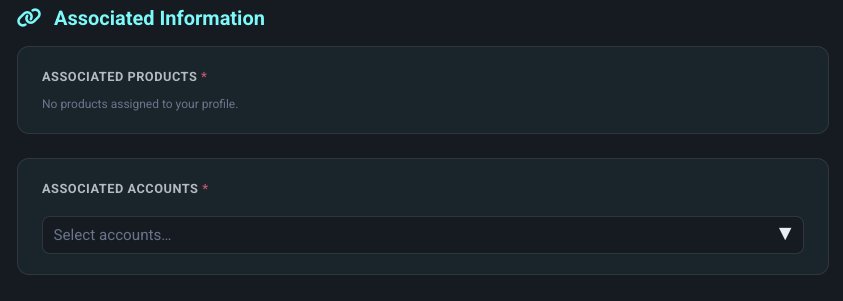
An event request should not become another disconnected record. If invited HCPs, impacted products, brands, and responsible teams already exist in your CRM, use them from there. Let people select trusted records instead of retyping names into another form.
This may need some work at the beginning. CRM integration, live data access, and clean master data are not always the easiest IT conversation. But it is a small headache compared with the work it prevents later: duplicate records, manual reconciliation, vague attendee lists, and reports nobody fully trusts.
More importantly, it changes what an event request can become. Instead of a document filed away after approval, it becomes structured commercial data. Over time, that helps teams understand how they engage HCPs, which brands are being supported, where investment is going, and what patterns are worth investigating.
AI can help with the next layer, but it needs structured data and a clear workflow first. REVO Approval Workflows is designed around that foundation: requests, reviewers, budgets, references, and decisions remain connected instead of disappearing into separate files.
How do you make required HCP event information truly required?
Checklist
- Do not let incomplete requests enter the approval queue.
- Capture each required item in the format it needs.
- Show conditional fields only when they are relevant.
Email approvals usually begin with a request that is almost complete. Someone replies asking for the dates. Another asks about budget. Someone else needs the list of HCPs, the event objective, or an attachment that was not included. Before long, the real request is spread across email threads, forwarded messages, and different file versions.
That is not a people problem. It is a process problem.
"Required" should mean more than placing an asterisk next to a field. Dates and timings should use date and time controls. Amounts should be numeric. Event types should come from a defined list. HCPs and products should come from trusted data, not manually typed text. If a speaker is involved, speaker-related information should appear when it is needed, instead of cluttering every other request.
Good workflows do this quietly. They help the initiator get the request right at the beginning, so approvers can spend their time making decisions instead of chasing basic information. That is faster, safer, and far more useful than trying to rebuild the context after the fact.
How should budget visibility work in HCP event approvals?
Checklist
- Make costs visible and usable to both initiators and approvers.
- Separate event-operating spend from speaker-related or HCP-engagement spend.
- Make planned, approved, and actual spend comparable.
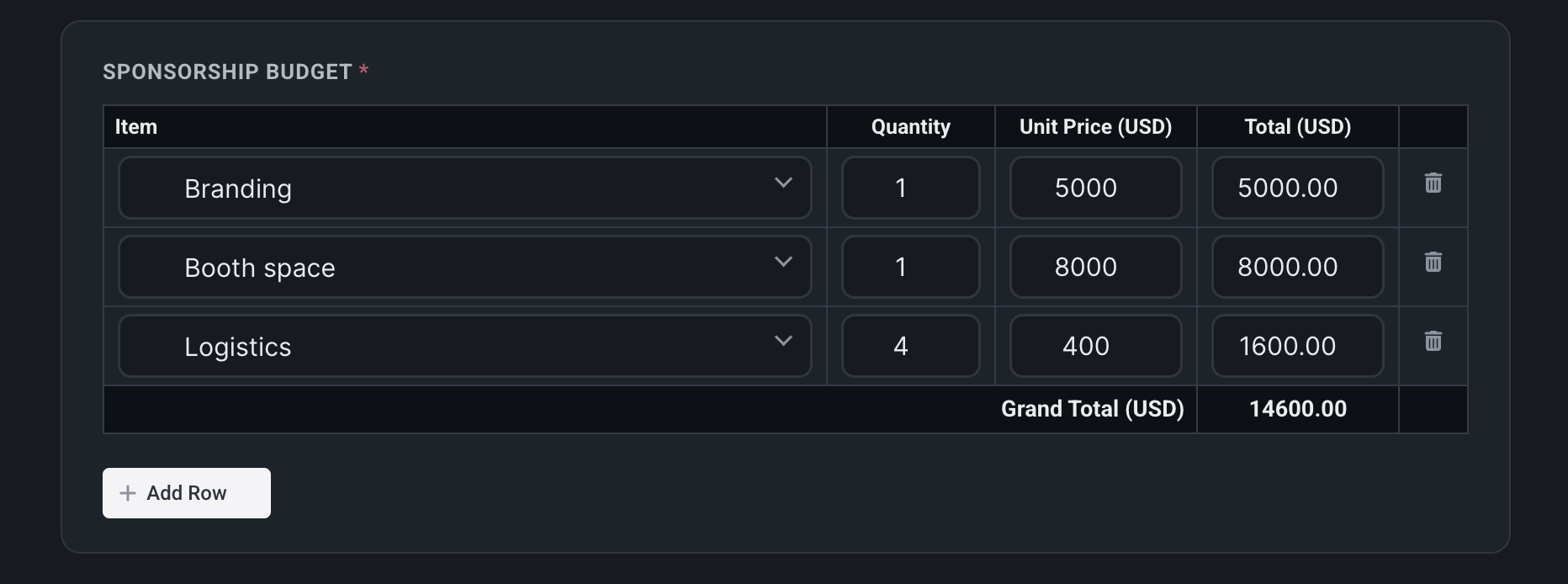
Events are not small operational tasks. They can carry meaningful investment across sponsorship, venues, logistics, agencies, production, materials, travel, and speaker engagements. That is why budget cannot be a number hidden in an attachment, added at the end of an email, or understood only by finance.
It needs to be part of the request from the start and visible on both sides of the decision. Initiators need a clear way to build the estimate. Approvers need to see what the total means, where it is being spent, and whether it fits the appropriate controls. In REVO, teams can use structured cost fields, cost items, or calculator tables, then reflect the result in the request's budget-control parameters.
One more point matters: the budget for organizing the event is not necessarily the same as the budget associated with speakers or HCP engagement. These costs may sit around the same event, but they serve different purposes and can need different information, policies, and reviewers. Put them in the same overall picture, but do not blur them into one unexplained figure.
When investment is visible, the organization can make better decisions before money is committed. That is how approval becomes part of commercial control, not a late compliance formality.
Who should review and approve an HCP event request?
Checklist
- Define the reviewers for commercial, medical, finance, and compliance input.
- Make each reviewer responsible for a clear decision area.
- Preserve comments, timestamps, returned requests, and final decisions.
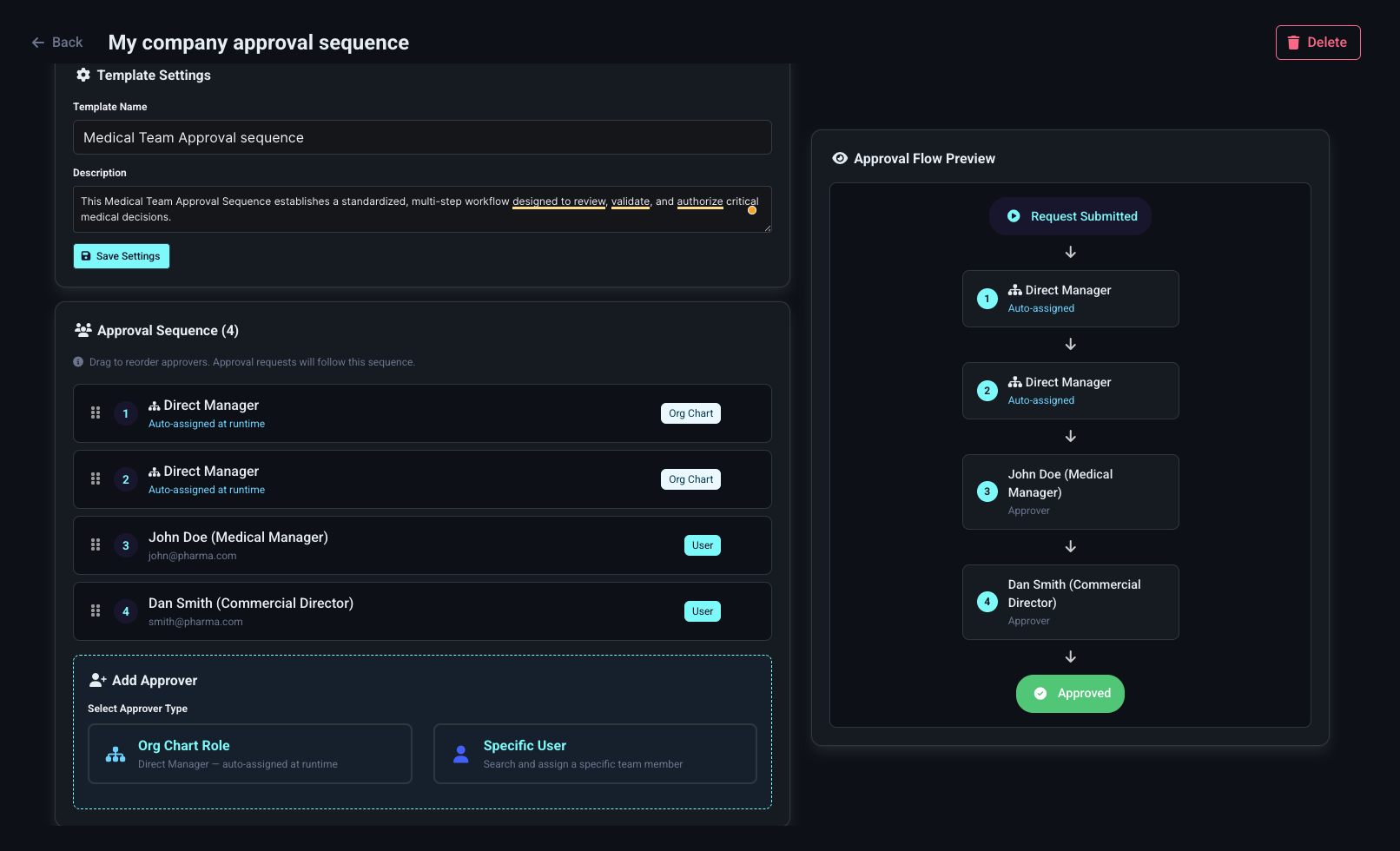
An HCP event request often needs more than a single approval. Commercial teams may review business objective and audience fit. Medical teams may review scientific or engagement context. Finance may review budget source, limits, and spend categories. Compliance may review policy alignment, required documentation, and risk.
The approval path should make those responsibilities explicit. Otherwise, the workflow becomes a relay race where everyone sees everything, but no one is sure who owns which decision.
REVO helps teams define the route before requests arrive. That matters because routing is not only about speed. It is also about explaining the decision later: who reviewed, what they saw, what they asked to change, and why the event moved forward.
How should HCP event approval workflows handle changes?
Checklist
- Keep every change connected to the original event request.
- Send material changes through the right approval path.
- Use references instead of forcing every decision into the first request.

Pharma operations do not run in a perfectly predictable world. A speaker changes. A venue changes. The expected audience changes. A budget needs to be revised. A new engagement is added after the main event has already been approved.
The answer is not to fight every change. The answer is to make change part of the process.
This is why REVO's referencing feature matters. It lets a new request reference an existing request while moving through its own pre-defined workflow. An approved event can therefore become the starting point for a speaker request, a budget amendment, an additional activity, or a close-out process. Each case retains the context of what came before it, without forcing every future decision into the original form.
That is the difference between a process that breaks under pressure and one that adapts without losing control. You can move fast because the history, ownership, and original decision are still there.
What evidence should be captured when closing out an HCP event?
Checklist
- Confirm what actually happened and what was actually spent.
- Link final evidence back to the original approval.
- Record cancellations, postponements, variances, and open actions.
Approval is not the end of the event. It is the point where the organization agrees to move forward. The real question comes afterward: did the event happen as approved, did spend remain within the agreed boundaries, and is there enough documentation to explain the outcome?
A close-out process turns that answer into something reliable. Capture actual spend, record meaningful variances, attach the final documents, and confirm any remaining finance, vendor, or internal actions. If the event was cancelled, postponed, or changed materially, make that part of the record too.
This is where an event moves from a planned activity to a complete operational story: what was requested, why it was approved, what changed, what happened, and what it cost. That is useful for compliance, but it is also useful for running the next event better.
What can teams learn from HCP event approval patterns?
Checklist
- Measure where approvals slow down or return for rework.
- Compare planned, approved, and actual investment.
- Review which event types, teams, or budget categories create recurring friction.
A process is only as good as the improvement it creates. Once approval requests are structured, teams can move beyond anecdotal feedback: "events take too long," "budgets are hard to follow," or "we always end up chasing documents."
They can see where the friction really lives. Which event types require the most rework? Which teams submit incomplete requests? Where do approvals stall? How often does approved spend differ from actual spend? Which types of changes happen most often?
This is the practical value of structured workflows. They turn everyday operational activity into a clearer picture of how the organization works. The goal is not more reporting. It is better execution, repeated at scale.
Downloadable HCP event approval checklist
Use this condensed version when designing or reviewing your own HCP event approval workflow.
| Check | Checklist item |
|---|---|
| Decide whether event types need separate approval paths. | |
| Keep one common operating language across all requests. | |
| Make the request path clear before people begin collecting documents. | |
| Pull HCP and product data from the CRM wherever possible. | |
| Capture event data in real time instead of reconstructing it later. | |
| Keep HCP, HCO, brand, owner, and team records consistent across systems. | |
| Do not let incomplete requests enter the approval queue. | |
| Capture each required item in the format it needs. | |
| Show conditional fields only when they are relevant. | |
| Make costs visible and usable to both initiators and approvers. | |
| Separate event-operating spend from speaker-related or HCP-engagement spend. | |
| Make planned, approved, and actual spend comparable. | |
| Define the reviewers for commercial, medical, finance, and compliance input. | |
| Make each reviewer responsible for a clear decision area. | |
| Preserve comments, timestamps, returned requests, and final decisions. | |
| Keep every change connected to the original event request. | |
| Send material changes through the right approval path. | |
| Use references instead of forcing every decision into the first request. | |
| Confirm what actually happened and what was actually spent. | |
| Link final evidence back to the original approval. | |
| Record cancellations, postponements, variances, and open actions. | |
| Measure where approvals slow down or return for rework. | |
| Compare planned, approved, and actual investment. | |
| Review which event types, teams, or budget categories create recurring friction. |
How does REVO support HCP event approvals?
REVO Approval Workflows gives pharma teams a structured way to run HCP Event approvals from intake to close-out. Teams can use approval starters, controlled request fields, budget parameters, CRM-connected data, reviewer routing, references, and post-decision workflows to keep the full event story in one operating record.
That gives commercial, medical, finance, and compliance teams the same view of the request: what was asked, what was approved, what changed, what happened, and what should be improved next time.